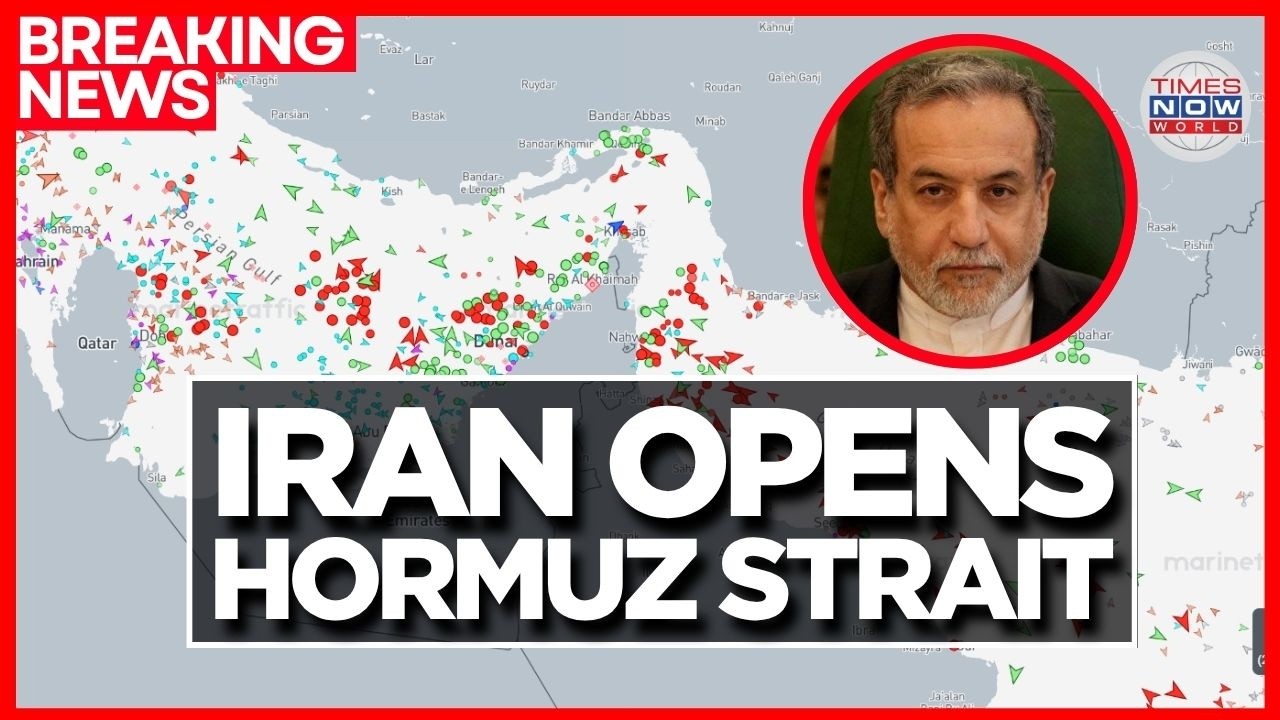
Iran Reimposes Restrictions on Strait of Hormuz Amid Rising Tensions
The attack on **UNIFIL** forces has been attributed to **Hezbollah**, a Shia Islamist group based in Lebanon. **Lebanese President Joseph Aoun** has apologized
Summary
The attack on **UNIFIL** forces has been attributed to **Hezbollah**, a Shia Islamist group based in Lebanon. **Lebanese President Joseph Aoun** has apologized for the attack and promised to investigate. The incident highlights the complex web of alliances and rivalries in the region, involving **Israel**, **Iran**, and other key players. For insight into the **Hezbollah** organization, see [[hezbollah|Hezbollah]]. The situation is being closely monitored by the international community, with the **United States**, **France**, and other countries calling for calm and restraint. The **Strait of Hormuz** restrictions have significant implications for global trade and energy security, as explored in [[global-energy-security|Global Energy Security]].
Key Takeaways
- Iran has reimposed restrictions on the Strait of Hormuz, a critical waterway for global oil trade
- A French UNIFIL soldier was killed in an attack in Lebanon, attributed to Hezbollah
- The U.S. blockade has forced 23 ships to turn around, further complicating the situation
- The international community is calling for calm and restraint, with the United States, France, and other countries involved in diplomatic efforts
- The situation has significant implications for global energy security, trade, and stability
Balanced Perspective
The current situation in the **Middle East** is complex and multifaceted, with various actors and interests at play. **Iran**'s decision to reimpose restrictions on the **Strait of Hormuz** is likely a response to **U.S.** pressure and sanctions. The **UNIFIL** attack in Lebanon highlights the ongoing tensions between **Israel** and **Hezbollah**. The international community is watching the situation closely, with **the United States**, **France**, and other countries calling for calm and restraint. For more on the **U.S.-Iran relations**, see [[us-iran-relations|U.S.-Iran Relations]]. The **Middle East** region is characterized by a complex web of alliances and rivalries, involving **Saudi Arabia**, **Turkey**, and other key players. The situation is being shaped by a range of factors, including **oil prices**, **regional security**, and **global governance**, as discussed in [[global-governance|Global Governance]].
Optimistic View
Despite the current tensions, there are still opportunities for diplomacy and de-escalation. **Iran** and **the United States** have engaged in talks in the past, and a negotiated settlement could help to reduce tensions and improve regional stability. The **United Nations** and other international organizations can play a crucial role in promoting dialogue and cooperation. For example, the **UN** has been involved in efforts to establish a **Middle East peace process**, as discussed in [[middle-east-peace-process|Middle East Peace Process]]. Additionally, the **European Union** has been working to promote economic cooperation and dialogue in the region, as seen in [[european-union-middle-east-relations|European Union-Middle East Relations]].
Critical View
The current tensions in the **Middle East** have the potential to escalate into a full-blown conflict, with far-reaching consequences for global security and stability. **Iran**'s decision to reimpose restrictions on the **Strait of Hormuz** could lead to a significant increase in **oil prices**, which would have a devastating impact on the global economy. The **UNIFIL** attack in Lebanon highlights the ongoing tensions between **Israel** and **Hezbollah**, which could spill over into a wider conflict. The international community is struggling to respond effectively to the crisis, with **the United States** and **Iran** engaging in a war of words. For more on the **Israel-Hezbollah conflict**, see [[israel-hezbollah-conflict|Israel-Hezbollah Conflict]]. The situation is being further complicated by the involvement of other regional actors, including **Russia** and **China**, as discussed in [[russia-middle-east-relations|Russia-Middle East Relations]] and [[china-middle-east-relations|China-Middle East Relations]].
Source
Originally reported by CBS News